What You Should Expect for Bathroom Conversion Cost
Bathroom Conversion Cost: What to Budget in 2026
A bathroom conversion cost can range from about $8,000 to $45,000 for a typical 40- to 70-square-foot bathroom. Many mid-range conversions fall near $18,000, but the price depends most on whether plumbing stays in place, the shower material you choose, and what is found behind the walls during demolition.
A simple tub-to-shower conversion with a prefab surround costs far less than converting a half bath into a full bath or building a custom tiled, curbless shower. As a practical starting point, set aside an additional 10% to 15% for permits, waterproofing, or hidden water damage.
A conversion is different from a standard cosmetic remodel. A remodel may update finishes in the existing layout; a conversion changes how the room works, such as replacing a tub with a walk-in shower, adding a shower to a powder room, or turning unfinished space into a bathroom.
I am Mark Apicella, Owner and President of Turn Key Remodel in Orange County. With more than eight years in residential and commercial remodeling, I help homeowners plan bathroom conversion cost around design goals, construction needs, and a clear, managed project scope.
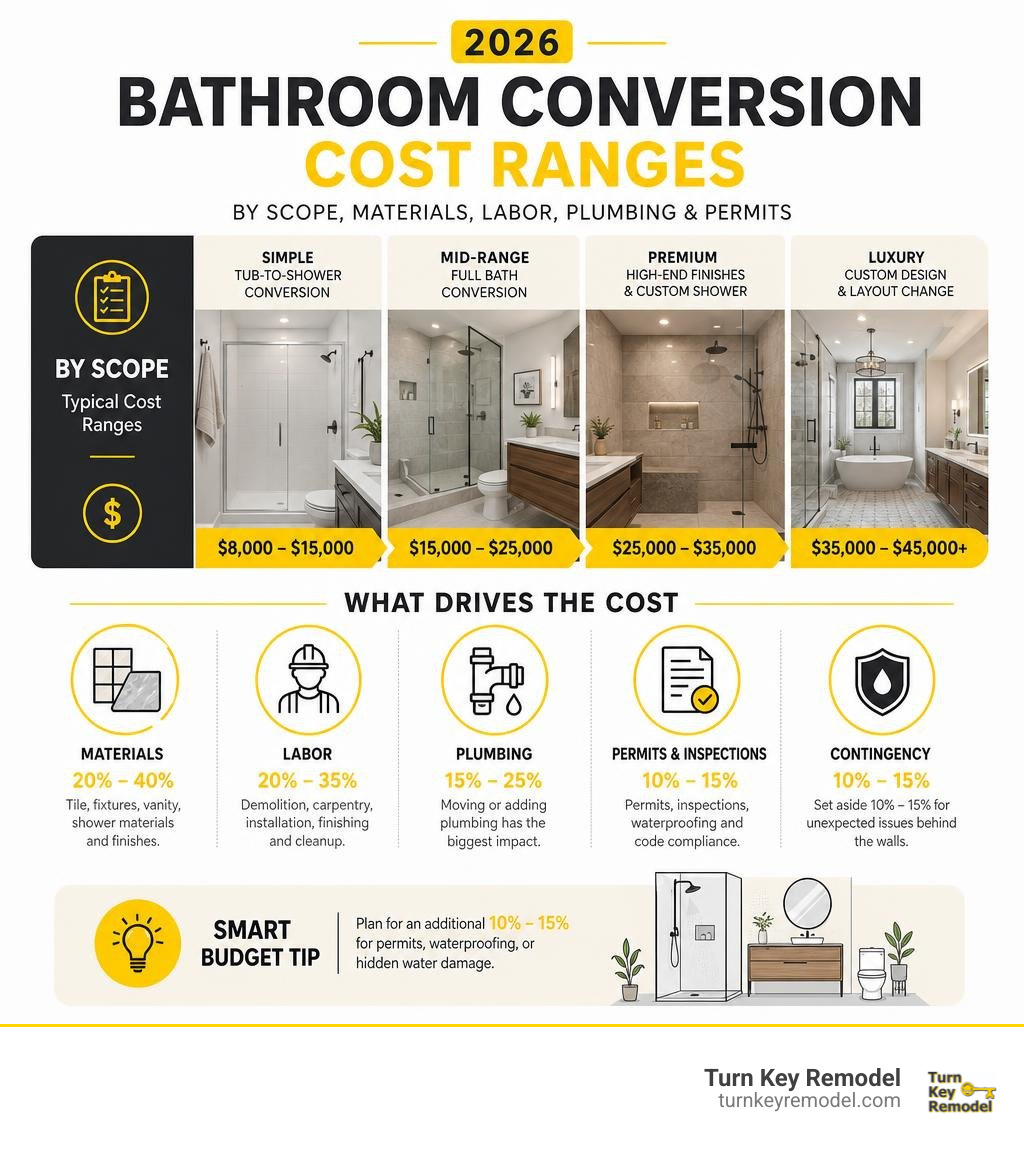
Simple guide to bathroom conversion cost:
Average Bathroom Conversion Cost by Project Scope
Understanding how your project scope influences overall expenses is essential before swinging a sledgehammer. While standard surface upgrades run anywhere from $180 to $280 per square foot across the country, structural conversions demand greater mechanical intervention. Baseline benchmarks like national bathroom remodel data show typical full-space projects landing between $12,000 and $25,000, yet conversions require distinct planning because the core purpose of your fixtures changes.
| Conversion Type | Average Price Range | Typical Timeline | Major Cost Drivers |
|---|---|---|---|
| Prefab Tub-to-Shower | $6,000 – $11,000 | 1 – 2 Weeks | Acrylic kit, basic valve conversion, surround installation |
| Custom Tiled Tub-to-Shower | $10,000 – $22,000 | 2 – 4 Weeks | Custom mud pan/membrane, tile labor, frameless glass |
| Half-Bath to Full-Bath | $14,000 – $32,000 | 3 – 5 Weeks | Adding drain stacks, trenching, electrical runs, framing |
| Unfinished Space Conversion | $25,000 – $60,000+ | 4 – 8 Weeks | Full rough-in mechanicals, framing, insulation, permits |
Every tier brings its own mechanical demands. A standard tub swap keeps the plumbing within an arm’s reach of its original home, whereas turning an empty footprint into a functional bath requires introducing supply lines, branch drains, and dedicated electrical home runs.
Tub-to-Shower Conversions and Aging-in-Place Upgrades
Replacing an unused, oversized alcove tub with a sleek walk-in shower is the most popular conversion we execute across Yorba Linda, Placentia, and Anaheim Hills. Modern walk-in showers maximize usable floor space, create a clean aesthetic, and provide crucial accessibility benefits.
For homeowners planning for long-term safety, curbless entries remove tripping hazards altogether. Achieving a true zero-threshold entry requires dropping the subfloor or installing a specialized, pre-sloped linear drain pan system flush with your bathroom flooring. Incorporating internal wood blocking behind drywall for heavy-duty grab bars, installing built-in tiled benches, and choosing thermostatic anti-scald valves add immense daily comfort. If you ever want to re-introduce a bathing vessel later down the road, you can explore how to add a tub to your walk in shower space to retain flexible layout options.
Converting Unfinished Space into a Full Bathroom
Transforming a closet, attic corner, or underutilized garage section into a permitted bathroom expands your livable square footage. However, this demands full-scale structural framing, specialized mechanicals, and dedicated ventilation ductwork routed directly outdoors.
Plumbing represents the primary financial barrier here. Drain pipes must meet strict slope minimums (typically 1/4-inch fall per linear foot) to tie properly into your main waste stack. If you are taking on complex below-grade projects or concrete foundation tie-ins, our guide on adding a bathroom to a basement plumbing layouts and costs breaks down the exact logistics of ejector pumps and sub-slab excavation.
Key Factors That Dictate Your Total Bathroom Conversion Cost
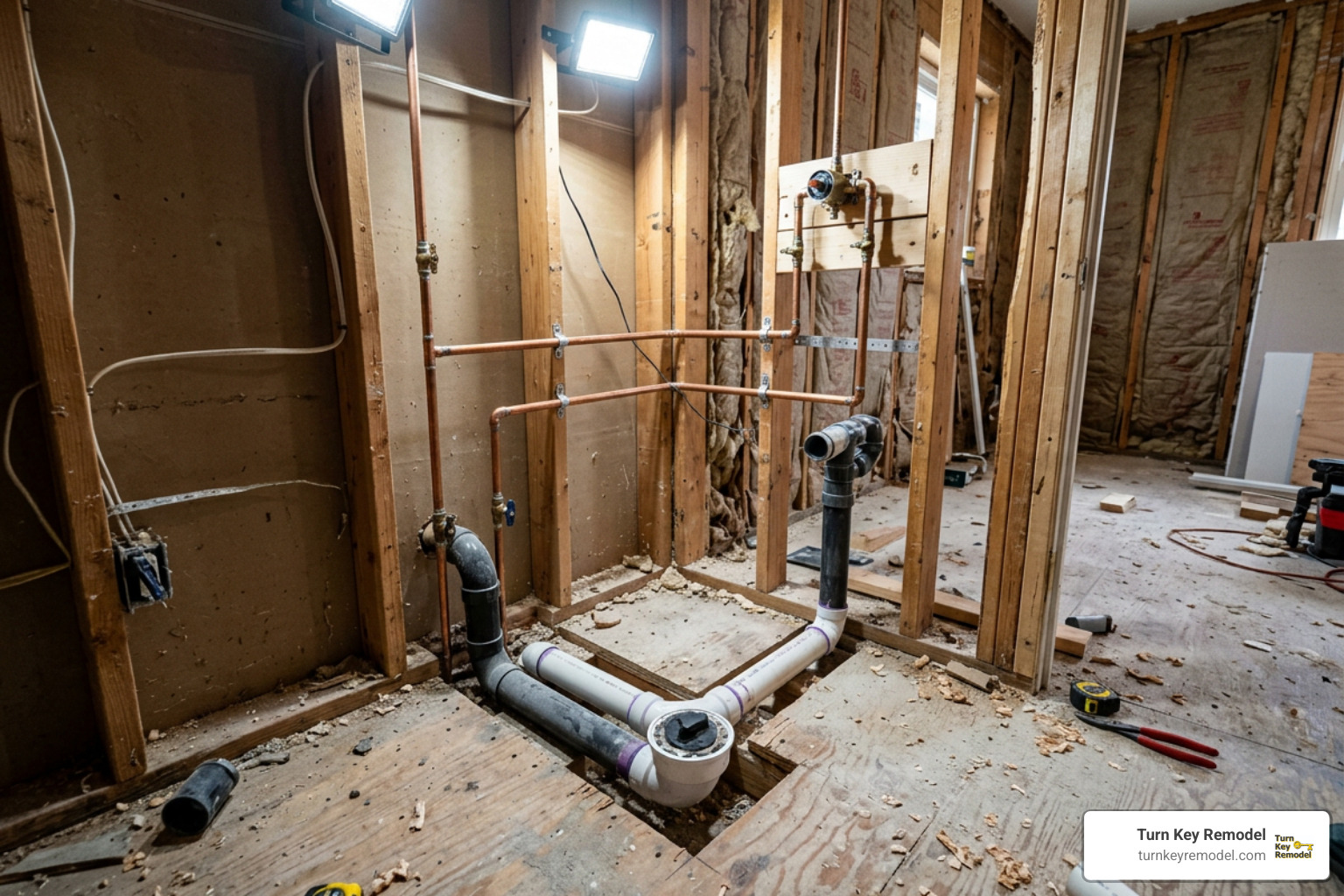
Every conversion project relies on three interconnected elements: the physical movement of mechanical lines, your choice of finished surfaces, and local compliance requirements. When we evaluate hidden problems such as rotted floor assemblies, water damage repairs and structural costs can quickly add $3.75 to $7.00 per square foot to your budget before cosmetic work even begins.
Prefab Inserts vs. Custom Tile: Comparing Bathroom Conversion Cost
The surface surrounding your new shower space dictates both your upfront investment and your long-term maintenance routine:
- Prefabricated Acrylic/Fiberglass Units ($1,500 – $4,500 installed): Prefab inserts are multi-piece systems designed to fit existing tub alcoves. They are cost-effective, completely waterproof out of the box, and install in days. The trade-off is a fixed lifespan of 10 to 15 years and limited sizing options.
- Custom Tile Enclosures ($5,500 – $15,000+ installed): Building a custom enclosure allows complete design freedom using porcelain, ceramic, or natural stone. Paired with bonded waterproof sheet membranes (like Schluter Kerdi or liquid-applied barriers), a properly installed custom shower lasts 25 to 30+ years. However, tile setting is labor-intensive; a skilled artisan may set only 50 to 80 square feet daily in a complex, confined shower space.
Plumbing Line Relocation and Drain Modifications
Plumbing is often where budgets swing dramatically. Bathtubs traditionally run on a 1.5-inch drain pipe, whereas modern building codes require a minimum 2-inch drain line for walk-in showers to handle higher water flow and prevent standing water.
Upsizing and relocating that drain requires opening the subfloor or cutting into concrete slabs. Moving plumbing fixtures more than a couple of feet within the room typically adds between $2,000 and $6,000 in dedicated mechanical labor. Licensed plumbers command $85 to $175 per hour, reflecting the trade expertise needed to navigate venting requirements and water supply lines safely.
How Labor Rates and Regional Location Impact Bathroom Conversion Cost
Labor represents 40% to 60% of your total bathroom budget. In high-demand markets across Orange County, Tustin, and Brea, trade rates trend 20% to 35% higher than rural national baselines due to strict licensing standards, elevated insurance mandates, and rigorous municipal building divisions.
Local permit packages for mechanical, electrical, and plumbing modifications run from $200 to over $1,200 depending on your exact municipality. These ensure mandatory rough-in inspections happen before walls are sealed, protecting your safety and long-term home value.
Hidden Costs and Budget Planning Strategies
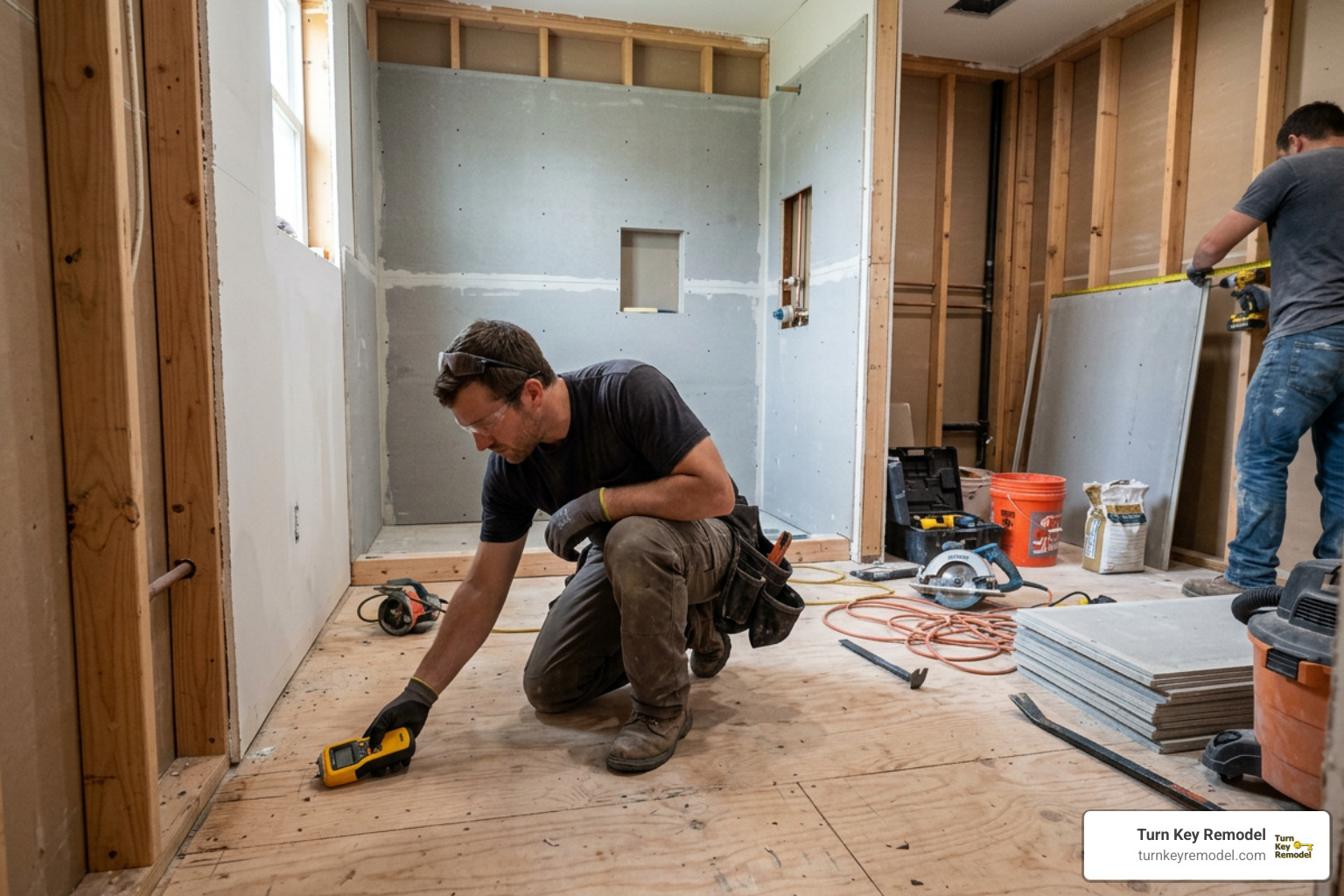
Demolition frequently exposes issues hidden beneath old tile and vintage tub skirts. Preparing an accurate project plan using our ultimate checklist for bathroom remodel costs steps ensures you account for these common structural surprises:
- Subfloor Rot & Joist Deterioration: Undetected tub overflow or leaking supply lines often rot structural framing. Repairing damaged subfloors runs $400 to $1,800, while sistering damaged structural floor joists costs $300 to $1,500 per joist.
- Mold Remediation: Moisture trapped behind old drywall or non-waterproofed backer boards requires professional remediation before new materials are hung.
- Electrical Panel Upgrades: Adding modern conveniences like high-draw heated towel racks, radiant floor heating mats, or multi-point smart showers can overload older 15-amp circuits, requiring a dedicated 20-amp GFCI circuit.
- Exhaust Ventilation Compliance: Current California energy and building codes require automated, high-CFM exhaust fans paired with humidity sensors.
Preventing Unplanned Structural and Waterproofing Expenses
The most dangerous shortcut in bathroom remodeling is cutting corners on the wet-area assembly. Standard moisture-resistant drywall (“green board”) is not approved for direct shower tile installation. We utilize rigid cement backer units paired with continuous topical waterproofing membranes to create an impermeable moisture barrier.
Always maintain an unallocated 10% to 15% contingency buffer within your initial budget. This ensures that if minor subfloor leveling or plumbing trap adjustments arise during the rough-in stage, your construction timeline never misses a beat.
Seasonality, Contractor Scheduling, and Smart Ways to Save
Controlling your overall costs comes down to strategic scheduling and layout preservation:
- Keep Fixtures in Place: Aligning your new walk-in shower drain with the existing tub waste location saves $3,000 to $8,000 in extensive rough-in plumbing work.
- Opt for Look-Alike Porcelain: High-definition porcelain tiles mimic natural Calacatta marble or Italian slate at a fraction of the material cost, avoiding the periodic chemical sealing required by real stone.
- Renovate During Off-Peak Months: Scheduling projects during late fall or winter (November through February) often yields better trade availability and faster municipal permit turnarounds.
- Hire Verified Specialists: Protect your investment by finding and vetting reliable local bathroom remodel contractors who handle both design-build phases, pull verified permits, and provide written warranties.
Return on Investment and Resale Value for Bathroom Conversions
A thoughtfully designed bathroom conversion remains one of the most profitable home improvements you can make. Mid-range bathroom transformations consistently return 60% to 75% ROI at home sale. Beyond raw equity, eliminating an awkward, dated bathtub in favor of an expansive shower creates immense visual appeal for prospective buyers who prioritize turnkey primary suites.
Mid-Range vs. Luxury Conversion ROI
Spending more does not always translate to a higher percentage return:
- Mid-Range Conversions ($14,000 – $28,000): These capture the highest recoup rates (up to 70–80%). Durable porcelain tile, quality semi-custom vanities, and clean frameless glass appeal to the widest pool of home shoppers.
- High-End Luxury Conversions ($35,000 – $65,000+): While features like slab-stone walls, digital steam controls, and integrated heated seating elevate daily living, their resale recoup dips to 45–55% because design preferences become highly personalized.
Note on preserving home value: If your property only has a single bathroom, keep at least one full bathtub in the house to preserve market appeal for young families.
2026 Financing Options for Bathroom Conversions
Most homeowners fund conversions through structured financing strategies:
- Home Equity Line of Credit (HELOC): Offers flexible revolving credit lines with lower interest rates by drawing against your built-up home equity.
- Fixed-Rate Home Equity Loans: Provides predictable lump-sum disbursements paired with fixed monthly payments over a set term.
- Unsecured Personal Renovation Loans: A fast, collateral-free alternative with streamlined approvals, though interest rates sit slightly higher.
- Contractor Payment Solutions: Many homeowners take advantage of structured milestone financing or competitive promotional rates through our direct project lending programs.
Frequently Asked Questions About Bathroom Conversions
How much does it cost to move plumbing for a tub-to-shower conversion?
Moving plumbing lines and drain locations typically adds $1,500 to $5,000 to your conversion. If your home rests on a concrete slab foundation, concrete cutting, trenching, and repouring are required to relocate the trap, driving costs toward the higher end compared to homes with accessible crawlspaces.
Is a tub-to-shower conversion worth the investment for resale?
Yes. Modern home buyers heavily favor large, walk-in showers with frameless glass over standard shower-tub combinations in primary bathrooms. As long as your home retains at least one standard bathtub elsewhere for children or pets, a tub-to-shower conversion boosts marketability and delivers a strong 60% to 75% return at resale.
How long does a standard bathroom conversion take?
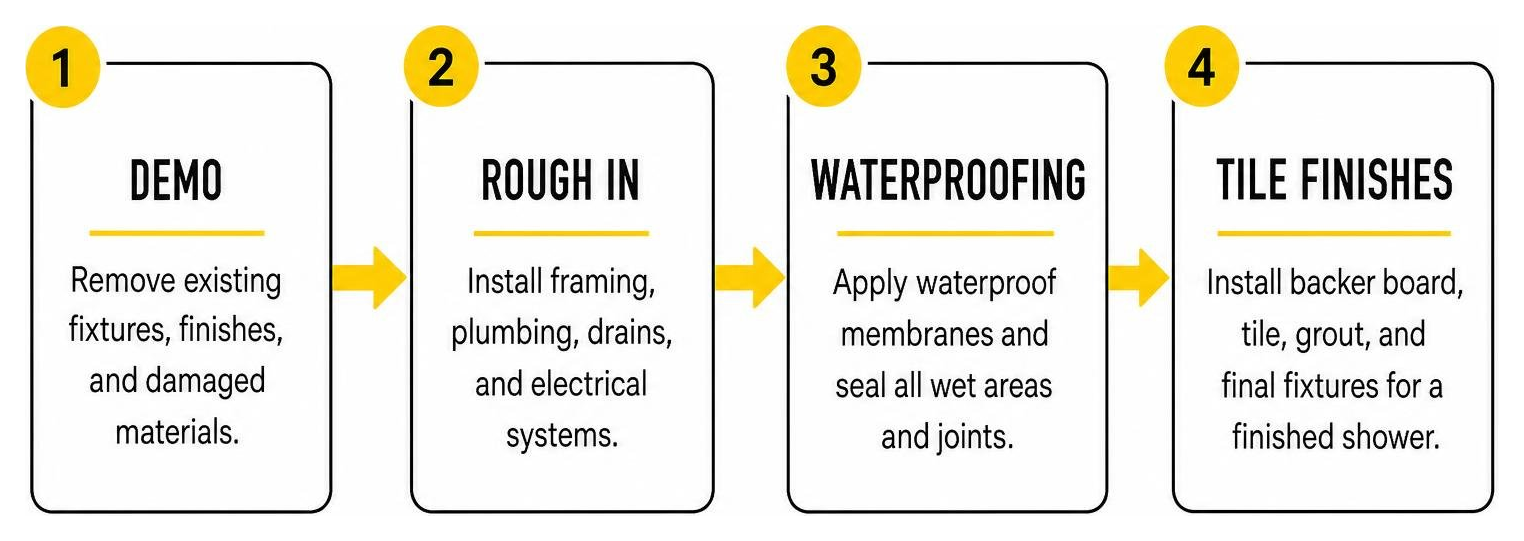
An average conversion takes 2 to 4 weeks of active on-site construction. Demolition and rough-in plumbing take 3 to 5 days, municipal rough-in inspections require 1 to 3 days, tile installation and waterproofing span 4 to 7 days, and final trim, glass installation, and paint take the remaining week.
Conclusion
Planning a successful bathroom conversion requires balancing aesthetic goals with mechanical realities. By preserving plumbing footprints where feasible, selecting durable, low-maintenance materials like porcelain, and reserving a dedicated contingency fund for hidden discoveries, you can complete your project without unexpected budget overruns.
At Turn Key Remodel, we manage every phase of your renovation under one roof—from architectural planning and 3D interior design to permitting, plumbing rough-ins, and precision tile installation. If you are ready to transform your outdated bathroom into a functional, beautifully crafted retreat, contact our team to explore our complete bathroom remodeling services and schedule your design consultation today.