
Cabinet Installers Needed for Immediate Hire Across Top Remodeling Firms
Why Cabinet Installers Needed Across the Construction Industry Command Top Pay
Across the residential and commercial building sectors in September 2026, top remodeling and commercial millwork firms are actively hiring experienced professionals, with skilled cabinet installers needed to meet surging project demand. Qualified finish carpenters proficient in precision scribing, hardware alignment, and architectural blueprint reading command competitive compensation ranging from $20 to $40 per hour for W-2 roles, while productive 1099 subcontractors routinely earn $100,000 or more annually.
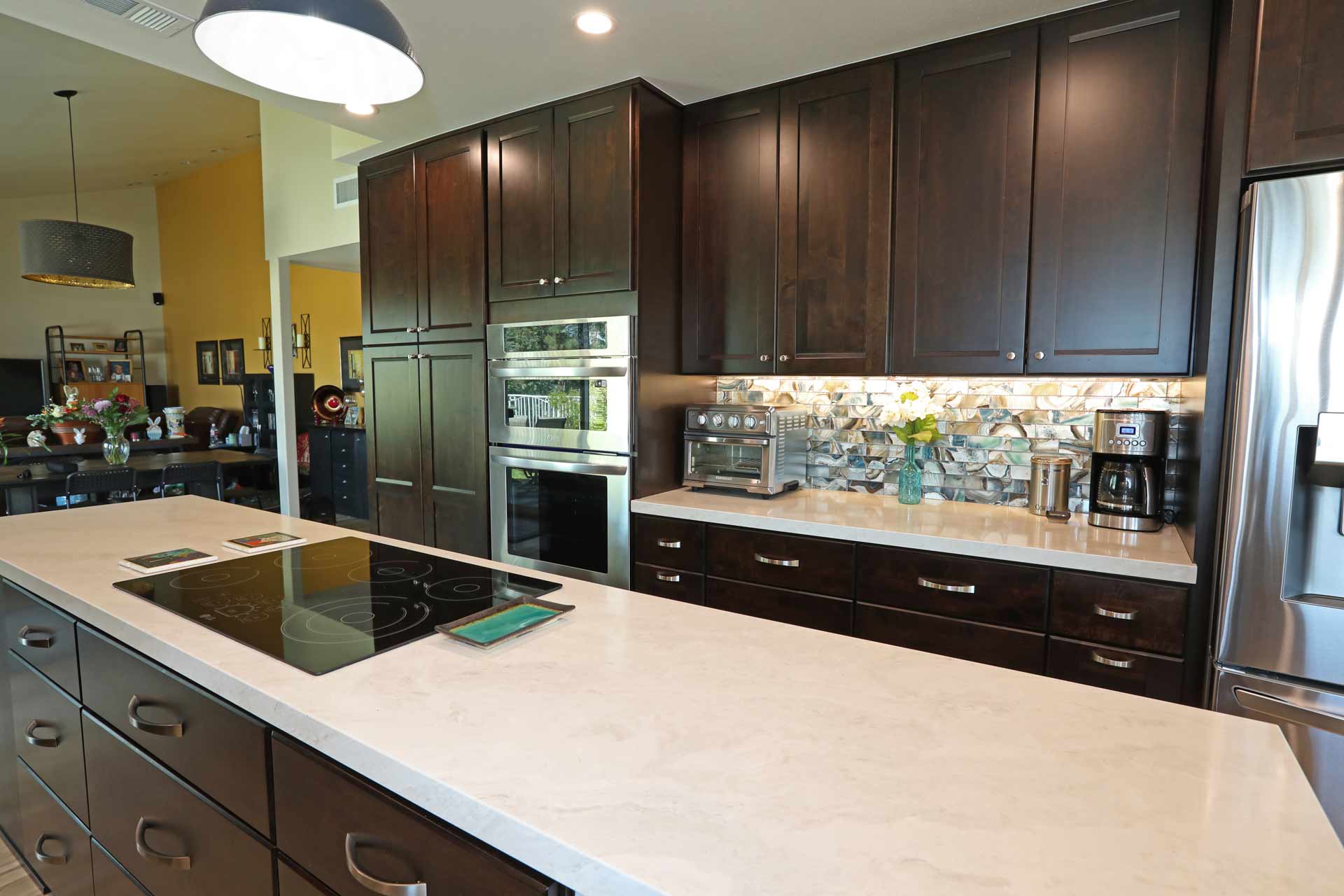
While framing sets the structural skeleton of a build, cabinetry defines interior aesthetics, functionality, and daily livability. When builders undertake comprehensive custom kitchen services, the cabinet installation phase makes or breaks the entire delivery timeline. A single poorly hung upper unit or out-of-square island base can delay countertop fabricators, backsplash tile setters, and appliance technicians. Because installers shoulder this critical responsibility at the final stages of construction, top remodeling contractors actively compete for dependable talent with premium wages, tool stipends, and steady project pipelines.
| Feature / Requirement | Residential Cabinet Installation | Commercial Casework Installation |
|---|---|---|
| Typical Environment | Occupied homes, custom remodels, new residential builds | Medical facilities, retail stores, corporate offices, hotels |
| Materials Used | Solid hardwoods, custom veneers, furniture-grade plywood | Plastic laminates, solid surfacing, melamine, heavy metal casework |
| Project Tolerances | Extremely tight tolerances; customized scribing to out-of-plumb walls | Standardized modular systems; blueprint compliance; ADA regulations |
| Working Conditions | High focus on dust containment, floor protection, customer communication | Fast-paced job sites, coordination alongside multiple commercial trades |
| Compensation Models | W-2 hourly, per-box piece rates, or 1099 turnkey contracts | Hourly base plus overtime, prevailing wage, or commercial subcontracts |
| Travel Demands | Local regional routes | Regional and national travel options with lodging and per diems |
Industry Growth and Rising Demand in Residential Remodeling
The sustained surge in residential remodeling has created an ongoing shortage of skilled finish carpenters. As homeowners choose to upgrade kitchens, primary bathrooms, and built-in living room entertainment centers, custom millwork demand continues to outpace the available labor pool. Many builders report lengthy project backlogs, not due to material shortages, but because there are simply not enough qualified professionals to hang boxes cleanly and quickly.
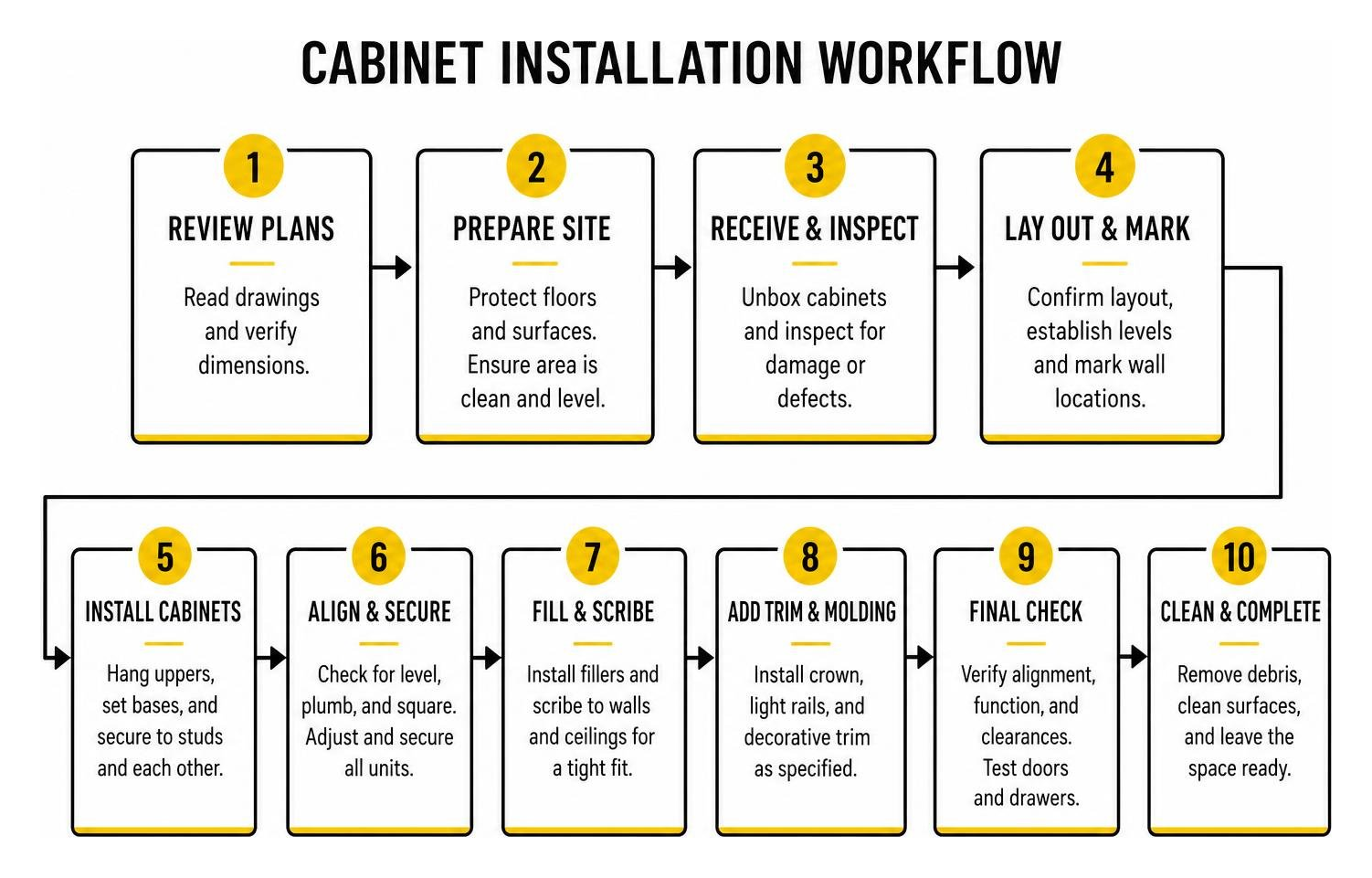
According to recent market hiring insights in finish trades, companies actively seek tradespeople who can manage the full lifecycle of an installation—from unboxing and inspecting modular cabinetry to cutting intricate multi-piece crown moldings. The precision required in finish carpentry means that mistakes are expensive; an errant cut on a custom finish panel cannot simply be patched over with drywall mud. Consequently, general contractors are more than willing to pay premium wages to craftsmen who minimize rework and maintain tight build schedules.
Commercial Millwork Expansion and Contract Opportunities
Beyond residential kitchens and baths, the commercial construction sector is expanding rapidly. Architectural millwork, retail display fixtures, corporate reception desks, and hospital casework require specialized installation mechanics who understand commercial building codes, commercial fastening methods, and ADA accessibility heights.
Commercial casework contractors often secure large multi-floor office fit-outs, hospitality buildouts, and municipal facilities. These commercial contracts frequently feature prevailing wage requirements, generous overtime structures, and company-provided logistics like dedicated delivery vans and fuel allowances. For experienced carpenters, transitioning into or adding commercial millwork installation creates dependable, high-volume income opportunities across all seasons.
Core Job Qualifications and On-Site Responsibilities
A successful cabinet installer operates as both a master woodworker and an agile on-site problem solver. No job site wall is ever perfectly flat, and no subfloor is ever completely level. The installer’s true job begins where the factory’s work ends: adapting rigid, square wooden boxes to real-world structural imperfections without compromising the visual aesthetic.
In addition to technical execution, professional installers serve as the face of the remodeling company on residential job sites. Homeowners are naturally anxious during major remodels; an installer who maintains an immaculate work area, uses negative air dust extraction, treats finished flooring with heavy-duty protection, and communicates daily milestones instills immediate confidence. On-site responsibilities balance quality assurance, strict OSHA safety compliance, and clear coordination with project managers.
Core Technical Duties: Where Cabinet Installers Needed Excel On-Site
The daily workflow of an expert installer involves far more than driving screws into studs. Each project requires a methodical sequence of setup, verification, installation, and fine-tuning:
- Job Site Assessment and Layout Mapping: Marking high spots on the subfloor using optical or digital levels, locating and marking wall studs, and drawing reference lines for base and upper cabinet heights.
- Base Unit Leveling and Anchoring: Setting the cornerstone base cabinet, shimming the layout true in all directions, fastening units together with dedicated cabinet screws through the face frames or casework sides, and securing them solidly into wall framing.
- Upper Cabinet Hanging: Utilizing cabinet jacks, support ledgers, or two-person teams to position overhead boxes safely, fastening them securely through solid hanging rails.
- Scribing and Custom Fitting: Accurately scribing filler strips and end panels to match out-of-plumb drywall, masonry, or uneven flooring surfaces.
- Specialty Modular Builds: Assembling intricate focal points such as standalone islands, which you can explore in detail through our step-by-step guide to building a kitchen island with IKEA cabinets.
- Architectural Trim and Moldings: Cutting and installing three-piece crown molding, light valances, decorative base wraps, and flush toe kicks using compound miter cuts and coped inside corners.
- Hardware and Alignment: Drilling precision holes for decorative pulls and knobs with specialized jigs, followed by adjusting European concealed hinges and drawer-slide dampening mechanisms to ensure uniform 1/8-inch reveals.
Essential Tools, Blueprint Literacy, and Physical Requirements
Top-tier installation companies expect their crews to be fully versed in technical drawings, shop elevations, and hardware schematics. Reading architectural plans allows the installer to catch conflicts—such as a range hood vent running into an overhead cabinet partition—before making a single cut.
The physical demands of cabinet installation require substantial endurance. Installers frequently lift upper cabinets and solid hardwood pantry towers weighing between 75 and 100 pounds, often maneuvering these heavy components overhead in tight quarters. The role requires standing, bending, kneeling, and reaching for an entire eight-to-ten-hour shift, making physical fitness, core strength, and proper lifting mechanics essential for long-term career success.
Average Salary Ranges and Compensation Models Across the US
Compensation for cabinet and millwork installers varies based on geographical location, employment structure, years of dedicated experience, and whether the work is residential or commercial. Understanding the pros and cons of each pay structure allows tradespeople to choose the path that maximizes their earnings and fits their lifestyle.

Hourly Wages vs. Contract Per-Box Compensation Rates
In the modern finish trade market, employers utilize two primary compensation frameworks:
- W-2 Hourly Positions: This model provides stability, consistent schedules, and benefits. Starting apprentice or junior installer rates generally range from $20 to $25 per hour. Experienced lead installers routinely earn between $26 and $40 per hour. Hourly roles often include overtime pay (1.5x), paid time off, health insurance, tool replacement stipends, and company-provided vehicles with commercial fuel cards.
- 1099 Subcontracting / Per-Box Piece Rates: Many residential cabinet retailers, custom cabinet shops, and national builder networks hire independent subcontractors paid on a “per-box” or per-project basis. Installers receive a flat fee per standard base or upper cabinet (often $35 to $65+ per box), with added surcharges for crown molding, custom panels, finished decorative ends, and appliance integration. Highly productive independent installation teams running efficient two-person crews can generate anywhere from $100,000 to over $200,000 in gross annual contract revenue. However, subcontractors must cover their own liability insurance, work vehicle, commercial tools, self-employment taxes, and fuel.
Regional Pay Comparisons and Travel Incentives
Wages fluctuate significantly based on local real estate values and regional costs of living. In competitive metropolitan regions, companies leverage travel incentives and premium hourly rates to secure reliable craftsmen.
Current regional pay snapshots reflect the diverse earning landscape:
- Texas Markets: In growing metro zones like San Antonio and Fort Worth, experienced residential finish carpenters earn base salaries between $50,000 and $70,000 annually, with commercial millwork positions starting around $19 to $22 per hour plus substantial overtime and out-of-town travel per diems.
- Colorado & Intermountain West: Skilled millwork installers in Englewood and Loveland command hourly rates between $23 and $29 per hour. Detailed regional compensation data shows that full-service finish trade contractors frequently bundle 100% employer-paid medical coverage and tool allowances to attract installers willing to handle complex regional builds.
- Southeast Regional Hubs: Subcontracting installers handling high-volume residential developments in Tennessee and Georgia routinely secure turnkey contracts ranging between $100,000 and $200,000 per year, particularly when capable of managing end-to-end jobs including trim and window finishes.
Step-by-Step Guide: How to Apply and Get Hired Quickly
Standing out in the hiring pool requires demonstrating precision, reliability, and professional presentation from the very first conversation. Top remodeling contractors and cabinet manufacturers review dozens of resumes; they actively seek candidates who treat finish carpentry as a proud, meticulous craft rather than just another construction job.
How to Qualify When Cabinet Installers Needed for High-End Projects
To qualify for premium installation roles on luxury projects, candidates should build a track record that demonstrates both technical aptitude and exceptional client care:
- Verify Core Carpentry Experience: Accumulate a minimum of two years of verifiable experience in trim carpentry, finish woodworking, or custom cabinetry assembly. Apprenticeships under licensed general contractors provide an exceptional foundation.
- Maintain a Flawless Driving Record: Installers transport expensive, fragile prefinished cabinetry and custom millwork in company vans or box trucks. A clean motor vehicle record and a valid driver’s license are mandatory prerequisites for almost all top firms.
- Master Broad Interior Renovation Context: High-end cabinet installers understand how their trade intersects with electrical rough-ins, plumbing stub-outs, and drywall conditions. Showcasing experience across diverse full-scope residential services helps demonstrate that you understand how to collaborate harmoniously with plumbers, electricians, and stone fabricators.
- Develop Superior Soft Skills: In occupied remodels, cleanliness, punctual arrivals, polite answers to homeowner questions, and clean language matter just as much as tight miters.
Preparing Your Trade Portfolio and Acing the On-Site Assessment
A standard text resume only tells half the story. The fastest way to secure top-tier pay is by letting your craftsmanship speak for itself through a visual portfolio and practical demonstration:
- Build a Digital Photo Portfolio: Keep a dedicated folder on your smartphone or personal website showcasing 10 to 15 high-resolution photographs of your finest work. Highlight tight 45-degree miter joints on crown molding, complex scribes against uneven brick or stone walls, perfectly uniform drawer reveals, and fully trimmed cabinet islands.
- Bring Your Go-To Hand Tools to the Interview: Bringing your primary layout tools—such as your favorite tape measure, digital angle finder, and precision levels—signals to the hiring manager that you are ready to produce immediately.
- Ace the On-Site Bench Test: Many premier remodeling companies conduct a brief, hands-on skill evaluation during the second interview. Be prepared to cut a clean 45-degree inside/outside miter, demonstrate a cope cut on crown molding, scribe a filler piece to an intentionally crooked wall mock-up, and adjust European soft-close hinges to eliminate simulated door sag.
Frequently Asked Questions About Cabinet Installation Careers
What qualifications are required to work as a professional cabinet installer?
Most professional remodeling firms and millwork companies require a minimum of two years of direct experience in finish carpentry, trim carpentry, or cabinet assembly. Essential qualifications include:
- Demonstrated proficiency with hand and power tools (miter saws, table saws, track saws, routers, pneumatic nailers).
- The ability to read, interpret, and work from shop drawings, CAD elevations, and architectural blueprints.
- A valid driver’s license with a clean driving record.
- Physical capability to lift up to 75 to 100 pounds overhead and stand/kneel for extended shifts.
- Basic math and geometry skills for calculating cut angles, material deductions, and scribing lines.
How much do cabinet installers earn across different regions?
Cabinet installer earnings vary widely based on skill level, employment status, and geography:
- Hourly W-2 Installers: Earn between $20 and $40 per hour nationwide, translating to annual earnings of $45,000 to $85,000+ with overtime and performance bonuses.
- Salaried Lead Carpenters: Command between $50,000 and $75,000 annually, often accompanied by full health benefits, paid holidays, and company-provided vehicles.
- 1099 Independent Subcontractors: Charging per-box or per-project rates can earn gross contract revenues from $100,000 to over $200,000 annually, depending on crew size, efficiency, and project volume.
What tools do cabinet installers need to provide on the job?
For most W-2 employment positions, installers are expected to supply their own everyday hand tools and standard cordless tool kit, while the employer provides specialty equipment and large machinery:
- Installer-Provided: Cordless drill and impact driver kit, hand levels (24″ and 48″), tape measures, scribing tools, chisels, speed squares, hand planes, pry bars, finish hammers, and personal PPE (safety glasses, hearing protection, dust masks).
- Employer-Provided: Large dual-bevel compound miter saws with stands, track saws, commercial table saws, laser levels, pneumatic fastening systems, heavy-duty cabinet jacks, moving blankets, floor protection runners, and commercial transport vans.
Independent 1099 subcontractors are typically expected to provide all their own equipment, including commercial saws, dust management setups, and transport vehicles.
Conclusion
A career in cabinet and millwork installation offers long-term stability, excellent financial rewards, and the genuine satisfaction of transforming living spaces through skilled craftsmanship. As the construction and remodeling industries continue to expand throughout September 2026 and beyond, the demand for precision finish carpenters will only intensify. Whether your goal is to master custom residential kitchens, lead commercial casework crews, or run an independent installation business, the career advancement pathways from apprentice to lead installer and project manager are wide open.
If you are a property owner planning a custom kitchen transformation or looking for a trusted partner to deliver flawless finish carpentry on your next residential project, our team is here to assist. Contact Us today to discuss your upcoming project or explore our wide range of expert cabinetry services designed to bring beauty, function, and enduring value to your home.